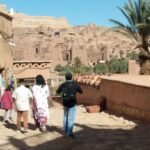
The ancient heart of Morocco
To understand Morocco deeply, you have to understand its Berber culture, the ancient foundation on which so much of the country rests. At Maktub Morocco Tour we love introducing travellers to this rich heritage, because the Berbers, or Amazigh as they call themselves, are the indigenous people of North Africa, and their traditions, language and way of life are woven through everything from the mountains to the desert.
The word Amazigh means free people, and it captures a proud, resilient culture that has endured for millennia across changing empires. Far from being a relic, Berber identity is vibrantly alive today in Morocco’s villages, crafts, music and daily customs. Getting a sense of this heritage adds enormous depth to a journey through the country. This guide introduces the essentials of Berber culture, from its ancient roots to the living traditions you will encounter on the road. The more you understand this ancient culture, the more richly the country reveals itself. Our 2 Day Zagora Desert Tour From Marrakech bring you into genuine contact with Morocco’s living Berber heritage.
A people older than the empires
The Berbers are among the oldest peoples of North Africa, present in the region for thousands of years, long before the arrival of the Arabs, Romans or Phoenicians. Over the centuries they absorbed and resisted a succession of influences while preserving a distinct identity, adapting without dissolving, which is a large part of what makes their culture so remarkable.
Today, a significant portion of Morocco’s population is of Berber heritage, and their presence is strongest in the mountains and the south, in the High Atlas villages, the desert fringes and countless rural communities. This deep-rooted history is the substratum of Moroccan culture, underlying the more visible Arab-Islamic layer. Recognising it helps make sense of the country you are travelling through. So much of what feels distinctive about rural Morocco, from the architecture to the crafts, springs from this deep Berber foundation. It is in these regions, away from the big cities, that the Amazigh heritage feels most alive. Our 8 Days Essential Morocco Tour From Marrakech take you into the mountain and desert regions where Berber culture is strongest.
Language and identity
Language is central to Berber identity. Tamazight, the Berber language with its several regional variants, is spoken by millions across Morocco and has, in recent years, been recognised as an official language alongside Arabic, a milestone for a culture long marginalised. You may see its distinctive script, Tifinagh, on signs, an ancient alphabet that visually marks the Amazigh presence.
This linguistic revival reflects a broader pride in Berber identity that has grown in recent decades, visible in music, festivals and a reclaiming of the Amazigh name and flag. For travellers, hearing Tamazight spoken in a mountain village or seeing Tifinagh on a road sign is a reminder of the living, distinct culture beneath the surface. It is identity you can see and hear. For the attentive traveller, these signs of a distinct and enduring culture are among the quiet pleasures of exploring the country. These visible signs of a distinct, enduring culture are among the quiet rewards of exploring the country, and a reminder of the deep roots beneath its modern surface. Our Day Trip To Volubilis connect you with the living language and identity of the Amazigh.
Legendary hospitality
If one trait defines Berber culture for visitors, it is hospitality. Welcoming a guest is a sacred duty in Berber tradition, and travellers are often struck by the genuine warmth they receive in Berber homes and villages, where sharing what one has, however modest, is a point of honour. This generosity is among the most moving experiences of a Moroccan journey.
The ritual of mint tea sits at the heart of this hospitality, offered as a gesture of welcome and prepared with ceremony. Sharing tea with a Berber host, whether in a village home or a desert tent, is one of the most human and memorable moments a traveller can have. Far from a performance for tourists, it is a sincere expression of a deep cultural value. To be welcomed with tea in a Berber home is to touch the very heart of Moroccan hospitality. To be welcomed with tea in a Berber home is to touch the very heart of Moroccan hospitality. Our Chefchaouen Day Trip From Fes include the warm hospitality of Berber hosts over a glass of tea.
Crafts, music and daily life
Berber culture expresses itself vividly through craft. The famous Berber rugs and carpets, hand-woven with symbolic patterns that vary by region and tribe, are perhaps the best-known example, each one telling a story in its designs. Silver jewellery, pottery and woven textiles all carry distinctive Amazigh motifs, and buying directly from artisans keeps these traditions alive.
Music and celebration are equally central, from the hypnotic rhythms of village festivals to the songs that mark the seasons and harvests. Daily life in Berber communities, especially in the mountains and desert, still follows time-honoured rhythms tied to the land and the seasons. Encountering these traditions firsthand reveals a culture of great richness and beauty. Each rug, song and festival carries meaning passed down through generations, connecting the present to a long and proud past. Our 2 Day Zagora Desert Tour From Marrakech bring you close to Berber crafts, music and village life.
Berber life in the desert and mountains
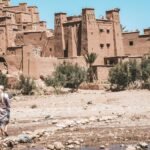
It is in the desert and the High Atlas that Berber culture feels most tangible to travellers. In the mountains, Berber villages of stone and earth cling to the slopes, their inhabitants farming terraced fields and welcoming trekkers with characteristic warmth. Visiting them offers a window into a way of life shaped by the rugged landscape over centuries.
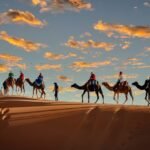
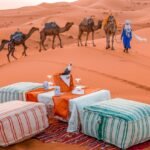
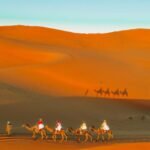
In the desert, the nomadic traditions of some Berber and related groups endure, with families still moving with their herds across the vast spaces. Meeting a nomadic family, sharing tea in their tent and glimpsing how they live in such an environment is among the most memorable encounters a desert trip can offer. These experiences connect you to the enduring soul of Morocco. Our 8 Days Essential Morocco Tour From Marrakech include encounters with Berber mountain villages and desert nomads.
Discover Berber culture with Maktub Morocco Tour
Understanding Berber, or Amazigh, culture is understanding the ancient soul of Morocco. The indigenous people of North Africa, the Berbers have preserved a proud identity for millennia, alive today in the Tamazight language, legendary hospitality centred on the ritual of mint tea, distinctive crafts like symbolic rugs, and enduring ways of life in the mountains and desert. Encountering it adds real depth to any journey.
The team at Maktub Morocco Tour brings you into genuine contact with this living heritage, from Berber mountain villages to desert nomads and the warmth of tea with a local host. To discover the Berber heart of Morocco, get in touch using the button below. Our Day Trip To Volubilis are your gateway to the ancient, living culture that lies at the country’s core.
Frequently Asked Questions
Who are the Berbers of Morocco?
The Berbers, or Amazigh as they call themselves, are the indigenous people of North Africa, present in the region for thousands of years, long before the Arabs, Romans or Phoenicians. The word Amazigh means ‘free people’. A significant portion of Morocco’s population is of Berber heritage, strongest in the mountains and the south, and their traditions, language and way of life underlie much of Moroccan culture.
What language do Berbers speak in Morocco?
Berbers speak Tamazight, with several regional variants, spoken by millions across Morocco. In recent years it has been recognised as an official language alongside Arabic, a milestone for a culture long marginalised. You may see its distinctive ancient script, Tifinagh, on signs. This linguistic revival reflects a broader pride in Amazigh identity, visible in music, festivals and the reclaiming of the Berber name and flag.
What is Berber hospitality like?
Hospitality is central to Berber culture, where welcoming a guest is a sacred duty. Travellers are often struck by the genuine warmth they receive in Berber homes and villages, where sharing what one has, however modest, is a point of honour. The ritual of mint tea sits at its heart, offered as a gesture of welcome and prepared with ceremony. Sharing tea with a Berber host is one of the most memorable moments of a Moroccan trip.
Where can you experience Berber culture in Morocco?
Berber culture is strongest in the mountains and the desert. In the High Atlas, Berber villages of stone and earth cling to the slopes, welcoming trekkers warmly. In the desert, nomadic traditions endure, and meeting a family, sharing tea in their tent and glimpsing their way of life is deeply memorable. You also encounter it through crafts like symbolic rugs, silver jewellery and pottery, and through music and festivals.