A special and often misunderstood time
Travellers sometimes worry when they realise their trip to Morocco falls during Ramadan, unsure whether the holy month will disrupt their plans. At Maktub Morocco Tour we reassure them, because visiting during Ramadan is entirely possible and can be a uniquely rewarding experience, offering a window into Moroccan culture and spirituality that visitors at other times of year simply do not see.
Ramadan is the holy month in which Muslims fast from dawn to sunset, and it shapes the rhythm of daily life in ways worth understanding before you arrive. Knowing what changes, how to be respectful, and what special experiences open up allows you to travel smoothly and even embrace the occasion. This guide explains what to expect so you can make the most of it, and even turn what sounds like an obstacle into one of the trip’s most memorable dimensions. Our 8 Days In Morocco Itinerary From Casablanca run year-round and adapt gracefully to the rhythm of Ramadan.
How daily life changes
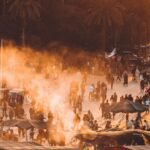
The most noticeable change during Ramadan is the daily rhythm. With people fasting from dawn to sunset, many cafés and restaurants outside tourist areas close during the day or operate reduced hours, and the pace of life slows in the afternoon as energy dips. Everything then comes alive at sunset, when the fast is broken. The transformation is striking: streets that were sleepy at midday fill with energy and warmth as the whole country sits down to eat together.
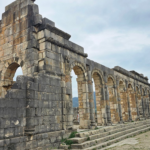
For visitors, this mainly means planning around adjusted opening hours and being a little flexible with meals during the day. Tourist-oriented hotels and restaurants generally continue serving as normal, so you will not go hungry, but it is wise to check timings and not count on everything running exactly as usual. Understanding this rhythm turns a potential inconvenience into simply a different way of experiencing the country. Once you anticipate the slower afternoons and the sunset surge of life, they stop catching you off guard and become part of the charm. Planning your busiest sightseeing for the mornings works with the day’s natural flow. Working with the day’s natural flow, rather than against it, is the secret to a smooth Ramadan trip. Our Day Trip To Volubilis are planned around the adjusted rhythm so nothing is left to chance.
The magic of iftar
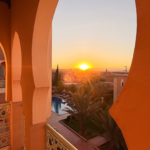
The highlight of Ramadan, and something visitors can genuinely share in, is iftar, the meal that breaks the fast at sunset. As the call to prayer sounds, streets that were quiet fill with anticipation, families gather, and a warm, festive atmosphere spreads across the country. It is one of the most special communal moments a traveller can witness in Morocco.
Iftar traditionally begins with dates and harira, the hearty soup, followed by a spread of dishes and sweets. Many visitors are warmly invited to join, whether at a hotel, a restaurant laying on a special iftar, or even a local home, and sharing that first meal after the fast is deeply memorable. Far from excluding travellers, Ramadan often draws them into its warmth. That first shared meal after the fast, with its dates, soup and festive relief, is one of the most human moments a visitor can experience in Morocco. Sharing that first meal after the fast is one of the warmest moments a visitor can be part of anywhere in Morocco. Our 2 Days Tour From Fes To Merzouga Sahara Desert can include the unforgettable experience of an iftar with locals.
Etiquette and being respectful
Travelling respectfully during Ramadan is straightforward and much appreciated. The main courtesy is to avoid eating, drinking or smoking openly in public streets during daylight hours, out of consideration for those fasting. You can still eat normally in your hotel, in tourist restaurants and in private, so this is a matter of discretion rather than restriction.
Dressing modestly, as is wise in Morocco generally, carries a little extra weight during the holy month, and a friendly, patient attitude goes a long way when service is slower or someone is tired from fasting. A simple Ramadan Kareem greeting is warmly received. These small gestures of respect are noticed and often rewarded with even greater hospitality. A little sensitivity during the holy month goes a long way, and Moroccans respond warmly to visitors who make the effort. Our 12 Days In Morocco Tour Itinerary From Casablanca help you move through Ramadan with ease and cultural sensitivity.
The upsides of visiting during Ramadan
Visiting during Ramadan has real advantages that are easy to overlook. The country is often quieter and less crowded at the major sights than in peak season, and prices can be gentler, making it a fine time for travellers who value calm and value. You experience a more authentic, everyday Morocco rather than a purely touristic one.
Above all, you witness a side of Moroccan culture, its spirituality, community and hospitality, that is at its most visible during the holy month. The nightly celebrations, the special foods and the sense of shared purpose give the trip a depth and warmth that many travellers treasure. For the curious and respectful visitor, Ramadan is a gift rather than an obstacle. It offers a depth of cultural insight that the ordinary tourist calendar simply cannot provide. Our 8 Days In Morocco Itinerary From Casablanca let you experience the authentic warmth of Morocco during Ramadan.
Practical tips for a smooth trip
A few practical tips keep a Ramadan trip smooth. Plan your daytime meals around hotels and tourist restaurants, carry water and snacks discreetly for the road, and expect a slower afternoon pace, especially just before sunset when everyone is preparing to break the fast. Booking the desert experience and key restaurants in advance is wise, as arrangements shift during the month.
Travelling with a trusted operator removes any friction, since they know exactly which places are open, arrange iftar experiences, and time the itinerary around the rhythm of the day. That way you simply enjoy the unique atmosphere without worrying about logistics. With a little planning, Ramadan becomes one of the most memorable times to see Morocco. Our Day Trip To Volubilis take care of the timing so you enjoy the occasion fully.
Experience Ramadan with Maktub Morocco Tour
Traveling to Morocco during Ramadan is entirely possible and often uniquely rewarding. Daily life slows and many local eateries adjust their hours, but tourist hotels and restaurants serve as normal, and the country comes alive at sunset with iftar, a warm, communal highlight visitors can share. With modest dress, discretion during daylight and a little planning, Ramadan offers a quieter, more authentic and deeply cultural Morocco.
The team at Maktub Morocco Tour plans every itinerary around the rhythm of Ramadan, knows which places stay open, and can arrange an unforgettable iftar with locals, so you simply enjoy the occasion. To experience the special atmosphere of Morocco during the holy month, get in touch using the button below. Our 2 Days Tour From Fes To Merzouga Sahara Desert are your gateway to an authentic Ramadan journey.
Frequently Asked Questions
Can you travel to Morocco during Ramadan?
Yes, and it can be uniquely rewarding. Daily life slows and many cafés and restaurants outside tourist areas close or reduce hours during daylight, but tourist hotels and restaurants generally serve as normal, so you will not go hungry. The country comes alive at sunset with iftar, a warm communal highlight visitors can share. With modest dress, daytime discretion and a little planning, it is a smooth and authentic time to visit.
What is iftar and can tourists join?
Iftar is the meal that breaks the fast at sunset during Ramadan, traditionally beginning with dates and harira soup, followed by a spread of dishes and sweets. As the call to prayer sounds, a warm, festive atmosphere spreads across the country. Visitors are often warmly invited to join, whether at a hotel, a restaurant laying on a special iftar, or a local home, and sharing that first meal is deeply memorable.
How should tourists behave during Ramadan in Morocco?
The main courtesy is to avoid eating, drinking or smoking openly in public streets during daylight hours, out of respect for those fasting; you can still eat normally in your hotel, tourist restaurants and in private. Dressing modestly carries a little extra weight during the holy month, and a friendly, patient attitude helps when service is slower. A simple ‘Ramadan Kareem’ greeting is warmly received.
Is Ramadan a good time to visit Morocco?
It can be an excellent time for the curious, respectful traveller. The country is often quieter and less crowded at major sights than in peak season, prices can be gentler, and you experience a more authentic, everyday Morocco. Above all, you witness Moroccan spirituality, community and hospitality at their most visible, with nightly iftar celebrations and special foods giving the trip real depth and warmth.